
America and European Wars
Common SenseThis flow tracks Paine’s claim that imperial dependence compromises America’s trade, security, and freedom to remain neutral.
increasing Bearing strength in each event
 decreasing
Bearing strength in each eventdecreasingTrade as a Foundation
Trade as a Foundation
Commercial Possibility
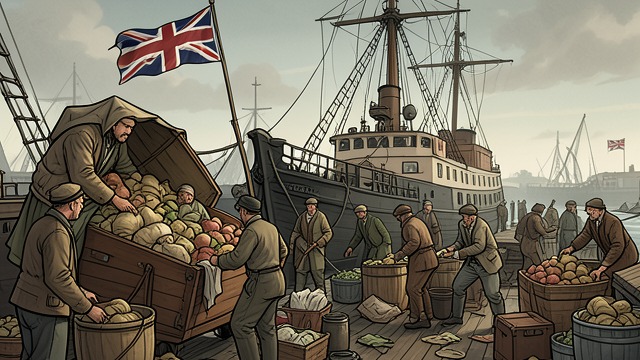
Paine argues that America’s trade depends on ordinary European demand for necessities, not on political subordination to one power. Commerce could continue after separation.
Prosperity Reconsidered
Past growth under British rule does not prove that dependence caused it. Paine imagines greater prosperity if America controls its own choices.
Protection Reinterpreted

Protection Reinterpreted
Interest Rather Than Affection
Paine argues that Britain defended the colonies partly to protect its own trade and dominion. The language of parental care hides a calculation of advantage.
A New Reading of the Past
This interpretation changes the meaning of imperial protection. What seemed like generosity can instead be understood as service to Britain’s strategic interests.
Imperial Wars Spread
Imperial Wars Spread
Colonies as Instruments
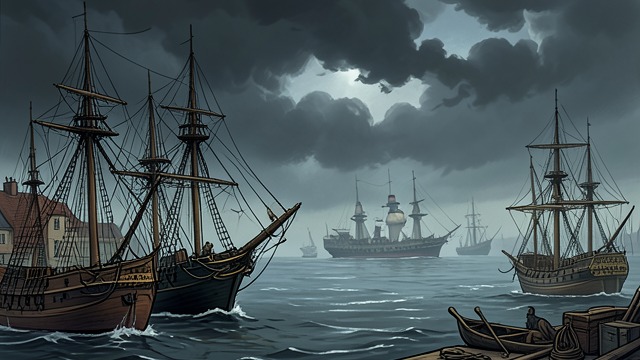
Dependence makes America a participant in British rivalries, even when its people have no grievance against Britain’s opponents. Imperial politics turns local trade into collateral.
The Cost of Alignment
A future European war could disrupt American commerce again. Paine argues that separation would give the continent greater freedom to avoid conflicts not of its choosing.
A Free Port
A Free Port
Trade Across Europe
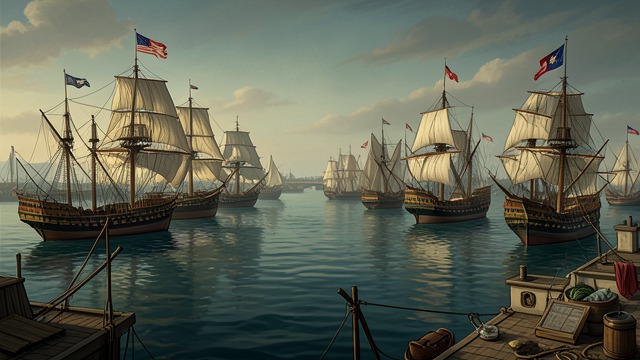
Paine presents America as a potential open market and trading partner for multiple European nations. Commercial access, rather than conquest, should define its external role.
Neutrality as Protection
The policy would avoid exclusive attachment to one European power. Paine sees broad commerce as a route to both prosperity and reduced exposure to war.
Independent Diplomacy

Independent Diplomacy
Recognition Enables Mediation
While America claims to be British subjects, other states may hesitate to treat it as an independent party to the conflict. A declaration would clarify its standing.
Trade and Peace
Paine imagines addressing foreign courts with a clear account of America’s aims and peaceful commercial intentions. Independence would open diplomatic options unavailable under dependence.
During the early comparison of colonial prosperity
As Paine challenges the protection argument
As Paine considers the next European conflict
During the proposal for independent commerce
Near the argument for seeking foreign mediation
